
In hydroponic systems, where plants are grown without soil, maintaining proper nutrient balance is essential for healthy growth. One of the most critical factors influencing this balance is pH, a measure of how acidic or alkaline a solution is. Because hydroponic plants rely entirely on nutrient solutions rather than soil, pH plays a central role in determining how effectively nutrients are absorbed. Even small fluctuations can significantly impact plant health, making pH management a fundamental aspect of successful hydroponic cultivation.
The Concept of pH
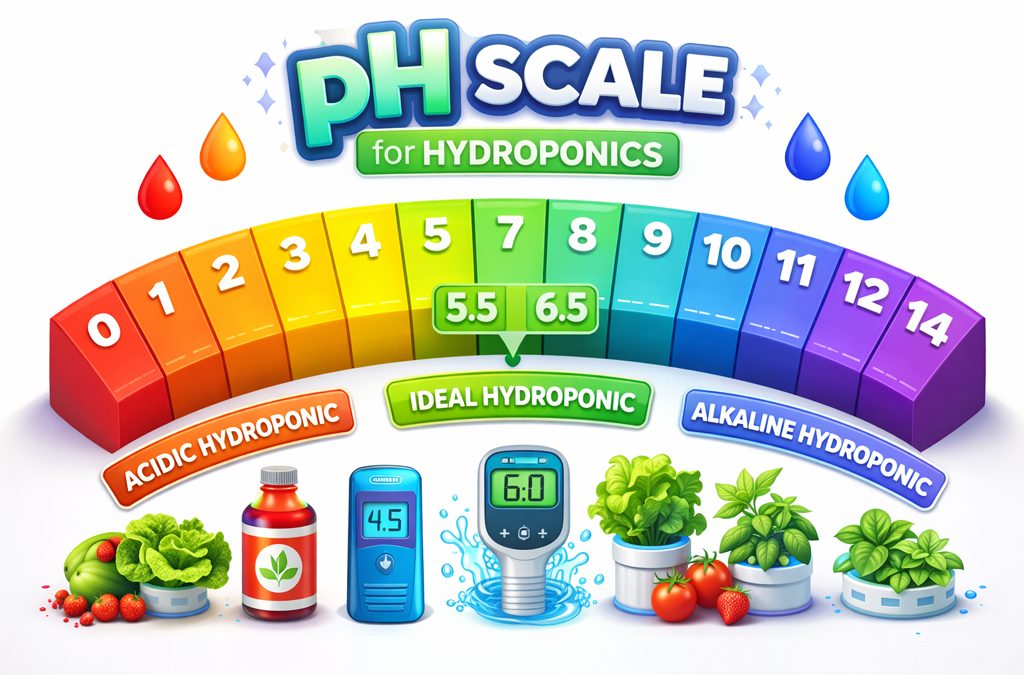
The pH scale ranges from 0 to 14, with 7 considered neutral. Values below 7 indicate acidity, while values above 7 indicate alkalinity. Importantly, the pH scale is logarithmic, meaning each unit change represents a tenfold difference in acidity or alkalinity. As a result, a slight shift in pH can produce a substantial change in the chemical environment surrounding plant roots.
Importance of pH in Hydroponics
Proper pH levels are essential because they directly influence nutrient availability. When the pH is too low, plants may absorb excessive amounts of certain micronutrients, potentially leading to toxicity. Conversely, when the pH is too high, key nutrients such as iron, manganese, and phosphorus become less available, resulting in deficiencies. Therefore, even if a nutrient solution is correctly formulated, improper pH can prevent plants from accessing the nutrients they need.
Optimal pH Range
Most hydroponic plants thrive within a slightly acidic range, typically between 5.5 and 6.5. This range allows for the most efficient uptake of both macronutrients and micronutrients. Maintaining pH within this window ensures that plants can absorb nutrients in balanced proportions, promoting steady growth and development.
Monitoring and Adjustment
Regular monitoring of pH levels is necessary to maintain system stability. Growers should test pH after preparing nutrient solutions and continue checking it periodically, as fluctuations can occur due to plant uptake and environmental conditions. Adjustments are typically made using commercially available solutions designed to raise or lower pH. These adjustments should be made gradually to avoid sudden changes that could stress plants.
Methods of Measurement
Several tools are available for measuring pH. Digital pH meters offer high accuracy and ease of use but require regular calibration. Test strips provide a simpler and more affordable option, though they are less precise. Liquid test kits offer a balance between accuracy and cost, making them a common choice among growers.
Conclusion
In hydroponic systems, pH management is crucial for ensuring optimal nutrient availability and plant health. Because even minor deviations can disrupt growth, consistent monitoring and careful adjustment are necessary. By maintaining pH within the recommended range, growers can create a stable environment that supports efficient nutrient uptake and maximizes plant productivity.